

1.Linden Wood for Carving – Species, Growth Conditions and Wood Quality
If you ask a woodcarver about the best wood for carving, the answer in most of Central Europe will be simple: linden. For centuries, linden wood has been the primary material for sacred sculptures, altarpieces, reliefs, and folk art. Its softness, fine and even grain, and excellent workability make it one of the most reliable carving woods available.
Why Linden Wood Is Ideal for Carving
Linden wood offers a unique combination of properties that make it highly suitable for both beginners and professional carvers:
Soft but structurally stable
Fine, uniform grain
Very low resin content
Does not dull tools quickly
Excellent for fine detail work
Accepts paint, polychrome, and gilding exceptionally well
Main Linden Species Used for Carving
Small-leaved Linden (Tilia cordata)
The most commonly used species in Central Europe. Its wood is light cream in color, soft, lightweight, and extremely uniform. It is ideal for figurative sculpture, relief carving, and intricate ornamentation.
Large-leaved Linden (Tilia platyphyllos)
Very similar to small-leaved linden, though sometimes slightly more fibrous. It remains an excellent carving material and performs well in larger sculptural forms.
Silver Linden (Tilia tomentosa)
Less commonly used for fine carving. Its wood can be slightly harder and less uniform, making it more suitable for larger or less detailed works.
How Growth Conditions Influence Wood Quality
1. Soil and Moisture
Trees growing in fertile, moderately moist soils typically produce evenly structured wood. Extremely dry conditions may result in denser but more brittle wood, while excessive moisture can increase the risk of warping.
2. Growth Rate
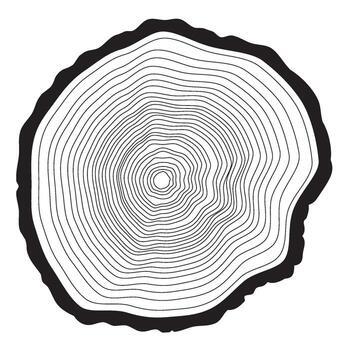
Moderate growth produces balanced annual rings and stable wood structure. Very fast growth (for example in open urban spaces) may lead to wider growth rings and reduced dimensional stability.
3. Tree Age
The highest quality carving wood usually comes from trees aged approximately 60–120 years. The trunk should be straight, with minimal knots and no spiral grain.
4. Climate Stability
Stable climatic conditions support uniform growth. Sudden droughts or extreme temperature fluctuations may cause internal stresses and micro-cracks in the wood structure.
Seasoning – A Critical Step
Even the best linden wood can crack or warp if it is not properly seasoned. Natural air drying for at least 2–3 years in a well-ventilated and shaded area is recommended. The final moisture content for carving should typically be around 8–12%.
Conclusion
Not all linden wood is equal. The final carving quality depends not only on the species but also on growth conditions, tree age, and proper seasoning. Choosing high-quality, well-dried linden wood ensures stability, clean cuts, and precise detailing—allowing the artist to focus fully on creativity rather than material limitations.
